Write an article about the color wheel
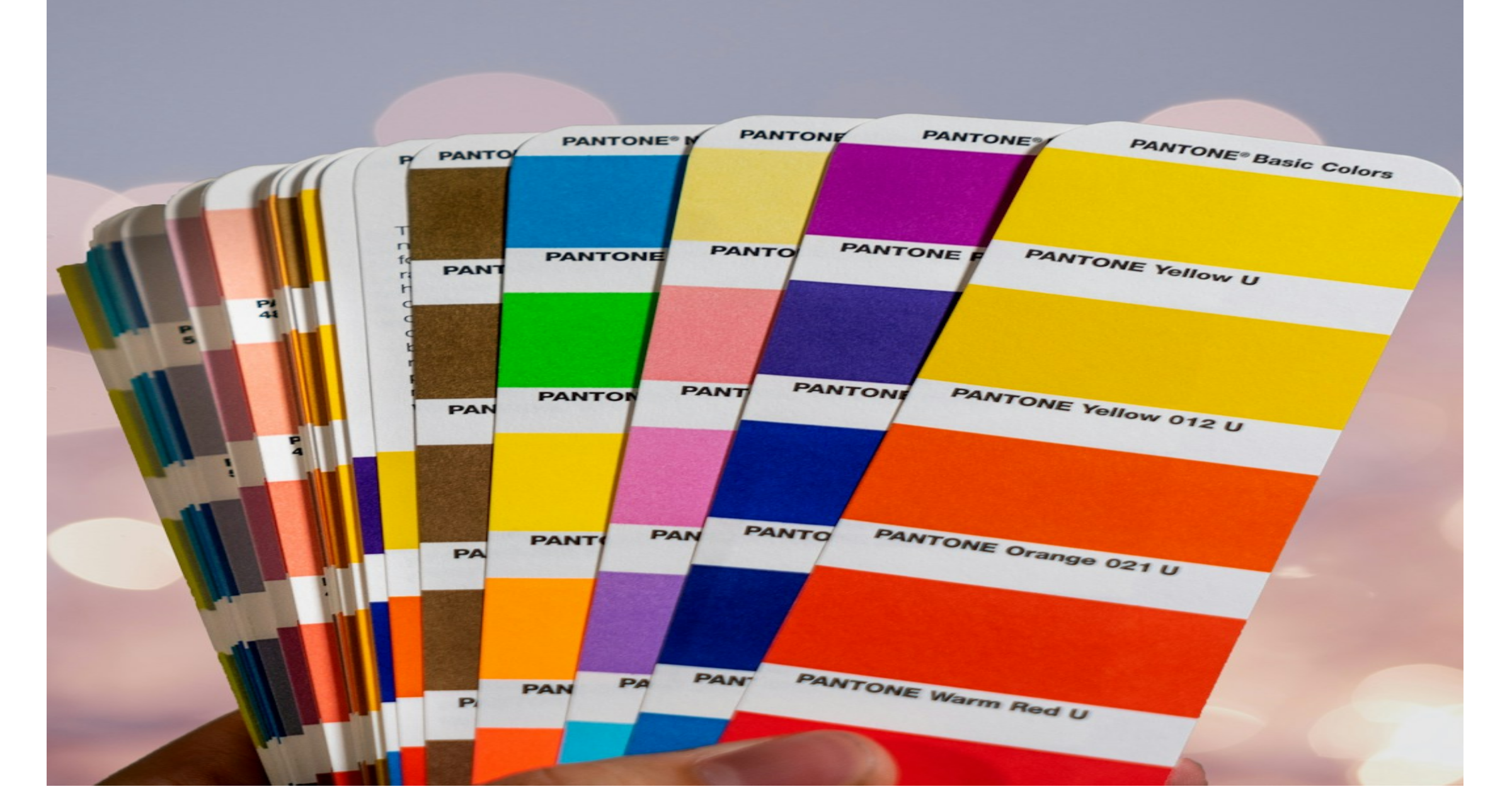
Color is an essential element in art, design, and everyday life. Understanding how colors interact and complement each other can enhance your creative projects and make them more visually appealing. One of the fundamental tools for mastering color theory is the color wheel. In this article, we will explore the history, structure, and applications of the color wheel.
History of the Color Wheel
The concept of the color wheel dates back to the 17th century when Sir Isaac Newton first developed the circular diagram to illustrate the relationship between colors. Newton's work laid the foundation for modern color theory, and his color wheel included the primary colors (red, yellow, and blue) as well as secondary colors (green, orange, and violet).
Over the years, various artists and scientists have expanded upon Newton's ideas, adding more colors and refining the structure of the color wheel. Today, it remains an invaluable tool for artists, designers, and anyone interested in the relationships between colors.

Structure of the Color Wheel
The color wheel is typically divided into 12 sections, each representing a different hue. These hues are categorized into three main groups:
1. Primary Colors
- Red
- Yellow
- Blue
Primary colors are the building blocks of all other colors. They cannot be created by mixing other colors together.
2. Secondary Colors
- Green (created by mixing blue and yellow)
- Orange (created by mixing red and yellow)
- Violet (created by mixing red and blue)
Secondary colors are formed by mixing two primary colors in equal proportions.
3. Tertiary Colors
- Red-Orange
- Yellow-Orange
- Yellow-Green
- Blue-Green
- Blue-Violet
- Red-Violet
Tertiary colors are created by mixing a primary color with a neighboring secondary color. They add more variety and complexity to the color wheel.
Color Harmony
Understanding color harmony is crucial for creating visually appealing compositions. The color wheel can help you identify harmonious color schemes that enhance the aesthetic quality of your work. Here are some common color harmonies:
1. Complementary Colors
Complementary colors are opposite each other on the color wheel. When used together, they create a high-contrast, vibrant look. Examples include:
- Red and Green
- Blue and Orange
- Yellow and Violet
2. Analogous Colors
Analogous colors are adjacent to each other on the color wheel. They usually match well and create serene and comfortable designs. Examples include:
- Blue, Blue-Green, and Green
- Red, Red-Orange, and Orange
3. Triadic Colors
A triadic color scheme uses three colors that are evenly spaced around the color wheel. This scheme offers strong visual contrast while retaining balance and color richness. Examples include:
- Red, Yellow, and Blue
- Purple, Green, and Orange
4. Split-Complementary Colors
This scheme is a variation of the complementary color scheme. It uses a base color and the two colors adjacent to its complementary color. This provides high contrast like complementary colors but with less tension. Examples include:
- Red, Yellow-Green, and Blue-Green
- Blue, Red-Orange, and Yellow-Orange
5. Monochromatic Colors
A monochromatic color scheme uses variations in lightness and saturation of a single color. This creates a cohesive and harmonious look. Examples include:
- Light Blue, Medium Blue, and Dark Blue
- Pale Green, Medium Green, and Dark Green
Applications of the Color Wheel
In Art
Artists use the color wheel to choose color schemes that convey emotions, create depth, and highlight focal points in their work.
In Design
Designers apply color theory to develop branding, websites, and products that are visually appealing and effectively communicate the intended message.
In Fashion
Fashion designers use the color wheel to create outfits that are aesthetically pleasing, combining colors in ways that enhance the overall look.
In Interior Design
Interior designers rely on the color wheel to select color palettes that create the desired atmosphere in a space, whether it's calming, energizing, or sophisticated.
Conclusion
The color wheel is a powerful tool that can help you understand and apply color theory in various aspects of your life. By learning how to use the color wheel, you can create harmonious and visually appealing designs, artworks, and more. Whether you are an artist, designer, or simply someone interested in color, the color wheel is an essential resource for mastering the art of color harmony.