Best AI feature's in 2025
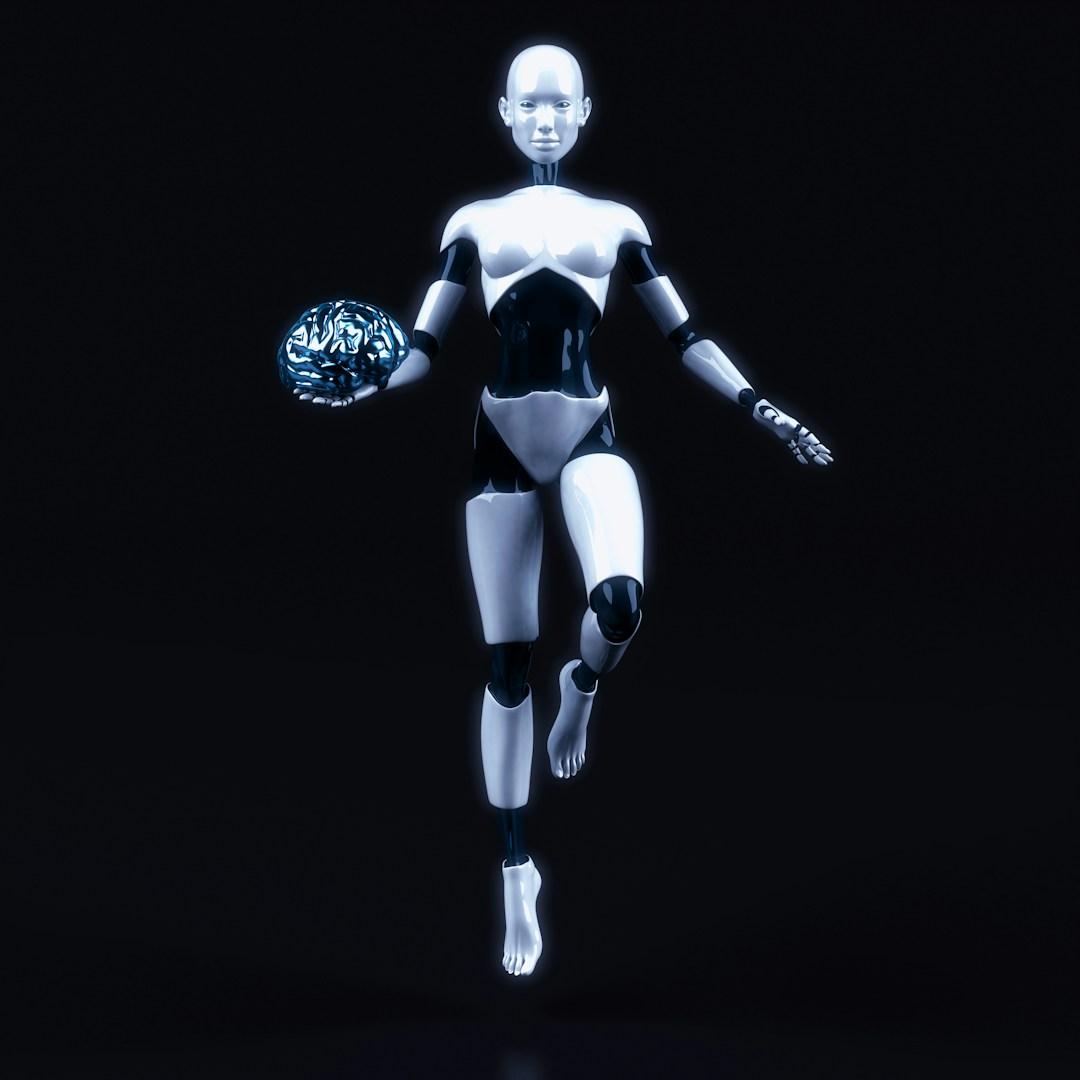
As we step into 2025, the realm of artificial intelligence (AI) continues to evolve at an unprecedented pace. AI technologies have permeated various aspects of our daily lives, transforming industries and enhancing personal experiences. In this article, we'll explore some of the best AI features in 2025 that are making significant impacts across different sectors.
1. Advanced Natural Language Processing (NLP)
Natural Language Processing has seen remarkable advancements, enabling machines to understand and generate human language with greater accuracy and nuance. In 2025, NLP systems are capable of:
- Real-time Translation: Seamless and accurate translation services that support a wide range of languages and dialects.
- Contextual Understanding: AI systems that comprehend context, sarcasm, and emotional undertones in conversations, improving human-computer interaction.
- Summarization and Content Creation: Automated generation of summaries and creative content that maintains coherence and style.
2. Autonomous Decision-Making
AI systems in 2025 are increasingly capable of making decisions autonomously, improving efficiency and effectiveness in various fields:
- Healthcare: AI-driven diagnostic tools that provide real-time insights, aiding doctors in decision-making and improving patient outcomes.
- Finance: Automated trading platforms that analyze market trends and execute transactions with minimal human intervention.
- Manufacturing: Intelligent robots that manage production lines, ensuring optimal performance and reducing downtime.
3. Enhanced Personalization
Personalization has reached new heights, with AI systems offering tailored experiences across digital platforms:
- E-commerce: Personalized shopping experiences that suggest products based on consumer behavior and preferences.
- Streaming Services: Custom content recommendations that enhance user engagement and satisfaction.
- Education: Adaptive learning platforms that cater to individual student needs, fostering better learning outcomes.
4. Improved Computer Vision
Computer vision technologies have become more sophisticated, enabling machines to interpret and understand visual information with precision:
- Security and Surveillance: AI-powered cameras that detect anomalies and potential threats in real-time, enhancing public safety.
- Healthcare Imaging: Advanced image analysis tools that assist in early detection of diseases through medical imagery.
- Agriculture: Drones equipped with computer vision to monitor crop health and optimize resource use.
5. Ethical AI and Explainability
As AI becomes more integrated into our lives, the focus on ethical AI and transparency has intensified:
- Bias Reduction: AI systems designed to minimize biases, ensuring fair and equitable outcomes across diverse populations.
- Explainable AI (XAI): Tools that provide insights into AI decision-making processes, fostering trust and accountability.
6. Robotics and Automation
Robotics has advanced significantly, with AI-powered robots performing complex tasks autonomously:
- Service Robots: Robots in hospitality and retail industries offering customer service and support.
- Industrial Automation: Increased automation in manufacturing processes, leading to higher productivity and reduced human error.
- Healthcare Assistance: Robotic assistants that support medical staff in routine tasks, enhancing efficiency and patient care.
Conclusion
The AI features of 2025 reflect a trend towards more intelligent, autonomous, and ethical systems that improve various aspects of life and work. As these technologies continue to mature, they hold the promise of creating a future that is more connected, efficient, and inclusive. The ongoing evolution of AI will undoubtedly bring even more exciting innovations in the years to come, transforming our world in unimaginable ways.